Overview
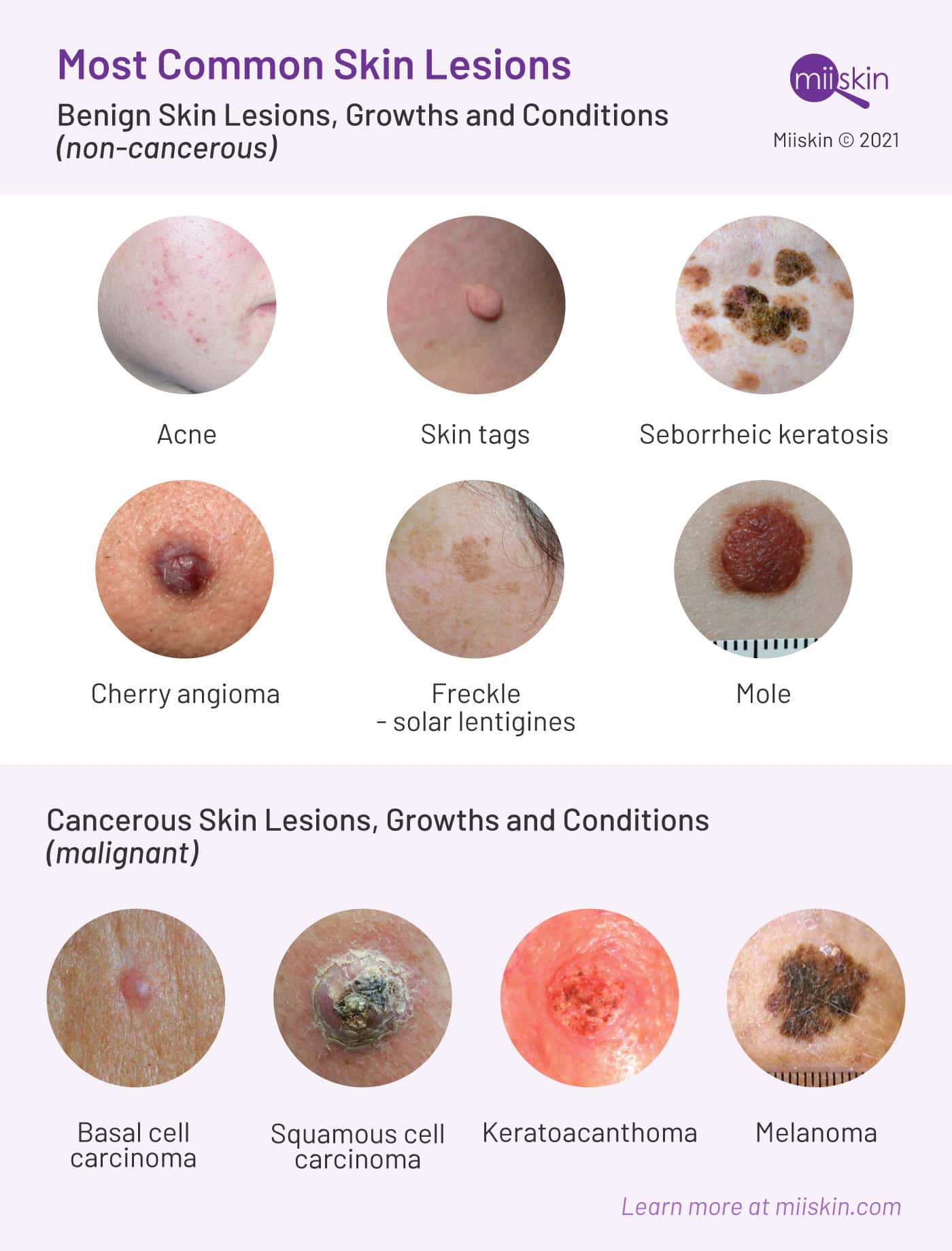
Skin cancer is highly treatable when caught early, but most classification models are trained on datasets that underrepresent darker skin tones — leading to worse performance for patients who already face barriers to care. This project built a CNN-based classifier and evaluated its performance across skin tone groups.
Data
We used two datasets: HAM10000, a widely used benchmark with over 10,000 dermoscopic images, and DDI (Diverse Dermatology Images), which includes a broader range of skin tones. We combined both to train and evaluate fairness across groups.
Methods
- Fine-tuned a pretrained CNN (ResNet) using PyTorch
- Evaluated performance stratified by Fitzpatrick skin tone scale
- Compared accuracy, sensitivity, and specificity across subgroups
Results
The baseline model showed meaningful performance gaps across skin tone groups. After rebalancing training data and applying targeted augmentation, we reduced disparity in sensitivity across groups.
What I Learned
Dataset composition drives model fairness more than architecture choice. A model that looks good on aggregate metrics can still fail specific populations badly — which is exactly the kind of thing that gets missed without disaggregated evaluation.